
Work, Exile, and Home: Honoring Milorad Drachkovitch and Reopening the Polich Library
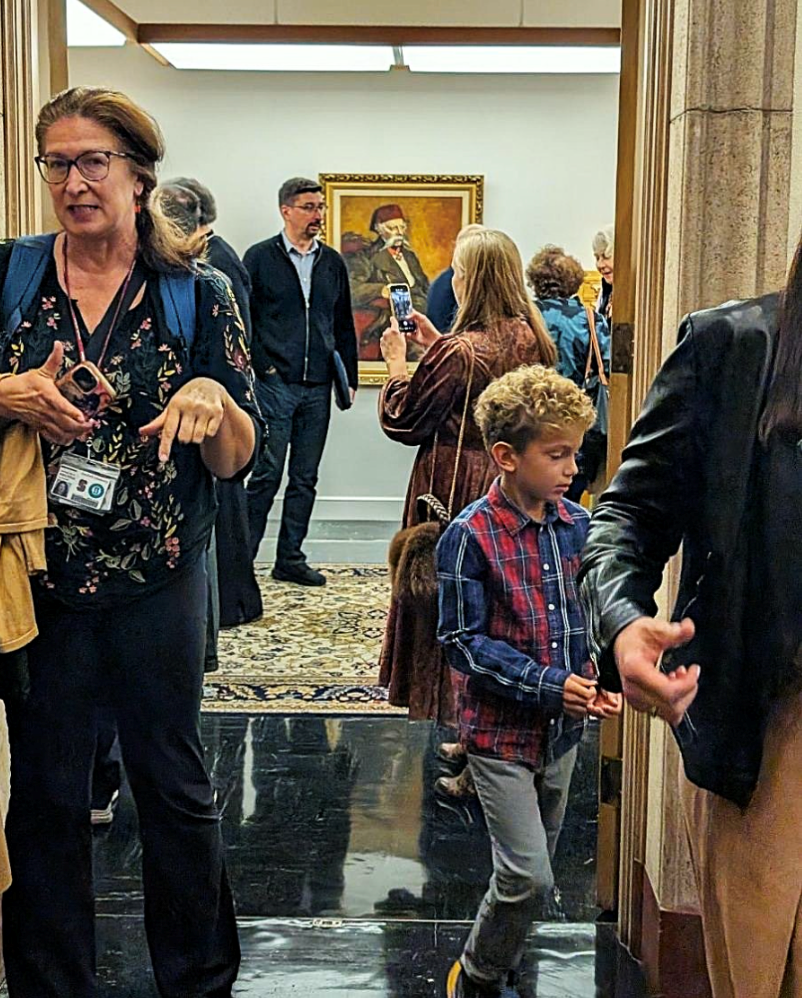
 Stanford, California, November 4, 2026 — Approximately 220 guests gathered in the historic reading room of the Hoover Institution at Stanford University for an evening honoring Milorad M. Drašković (Drachkovitch) and celebrating the reopening of the Todor and Andja Polich Library. Entitled “Work, Exile, and Home,” the event marked the thirtieth anniversary of Drašković’s passing and explored Serbian cultural heritage and the history of Yugoslav émigrés in California.
Eric Wakin, deputy director of the Hoover Institution and director of its Library & Archives, opened the gathering. His welcoming remarks emphasized the significance of Hoover’s collections and its mission to preserve historical memory, including the contributions of individuals whose professional achievements remained closely connected to their countries of origin.
 Former Serbian president Boris Tadić addressed the audience through a recorded video message, reflecting on Drašković’s life and work and the philanthropic legacy of the Polich family. He also recalled the relationship between his father, the academician Ljubomir Tadić, and Drašković. Despite their differing ideological perspectives, the two developed a dialogue and ultimately a friendship. Tadić highlighted this openness to differing views as essential to scholarship and university life.
The audience then viewed an excerpt from a documentary interview filmed by Jasmina Bojić in 1994, in which Drašković recounted his life’s journey. The film also included recollections by the distinguished British historian Robert Conquest.
A panel discussion followed, moderated by Hoover research fellow Bertrand Patenaude. Jasmina Bojić, a Stanford lecturer and founder and executive director of the United Nations Association Film Festival, shared memories of making the interview more than three decades earlier. Dennis Bark, an emeritus senior fellow at Hoover and a longtime friend and colleague of Drašković, recalled their work together. Ognjen Kovačević, a historian and librarian at Hoover, discussed Drašković’s biography and the history and benefactions of the Polich family.
The gathering brought together Hoover colleagues, Stanford faculty and students, and representatives of California’s Serbian educational, scholarly, and business communities. Bishop Maxim of Western America attended with clergy and many friends and supporters.
A particularly meaningful aspect of the evening was the presence of the Polich family, led by Tyrone Polich, son of Todor, together with approximately fifteen other family members. Milorad Drašković’s son, Radoje “Raša” Drašković, also attended with his own son. The presence of both families across generations brought a personal dimension to the tribute, joining living family memory with public recognition of these enduring legacies.
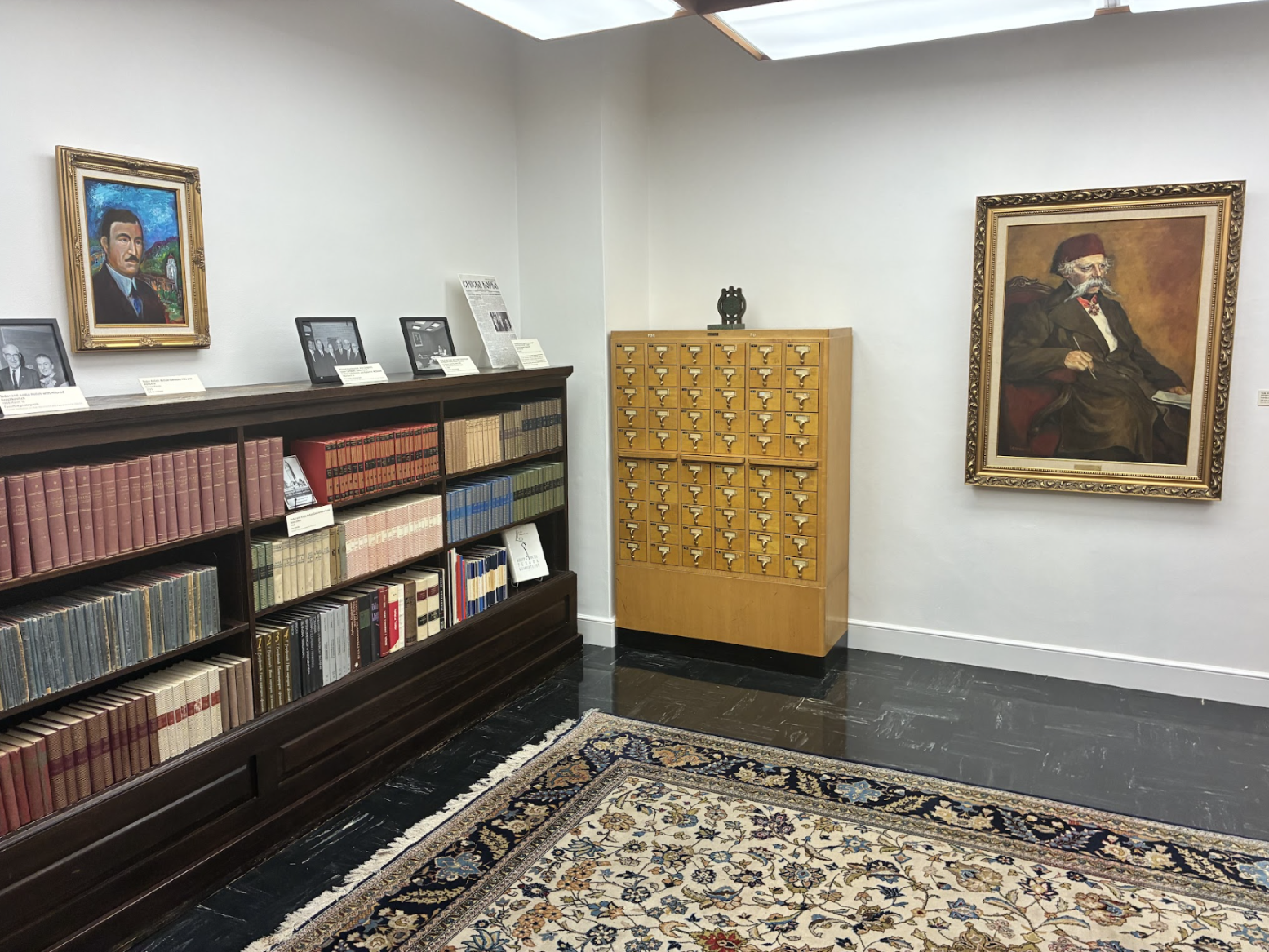
Following the main program, guests visited the reopened Polich Library in Hoover Tower. Formerly known as the Polich Room, the space continues its longstanding connection with scholarship through a collection devoted primarily to Serbian and Yugoslav authors and the history of Yugoslavia.
Among its displays are a portrait of Vuk Stefanović Karadžić by Ivanka Gavanski and a portrait of Todor Polich by Bishop Maxim. Other notable items include a rare surviving copy of Petar II Petrović Njegoš’s Lijek jarosti turske, printed in Cetinje in 1834, and facsimiles of documents preserved in the Hoover Archives, including Nikola Tesla’s 1939 letter to Konstantin Fotić and the text of the Corfu Declaration published in Odessa in August 1917. Together with photographs and other historical materials, these exhibits illuminate the connections between cultural heritage, philanthropy, and scholarship.
Special recognition is due to Ognjen Kovačević, whose dedication and tireless work were instrumental in bringing the evening together. His leading contribution to the preparation and realization of the event was central to its success.
The evening also featured the newly published English edition of Todor Polich, The Great Builder and Benefactor, translated by Bishop Maxim and published by Sebastian Press. The gathering concluded with a reception and the distribution of copies to participants, offering a lasting remembrance of the occasion and a renewed introduction to Todor Polich’s life of work, generosity, and service.
The gathering concluded with a reception and the sharing of the newly published Todor Polich, The Great Builder and Benefactor. Published by Sebastian Press, the book was distributed to participants at Hoover, offering a lasting remembrance of the occasion and a renewed introduction to Todor Polich’s life of work, generosity, and service.


