Opening Day of the Pastoral-Psychological Seminar Marks a Holistic Vision for Priestly Ministry
 San Diego, September 18, 2025
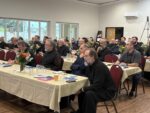
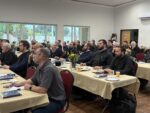
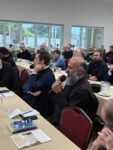
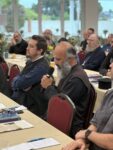
The much-anticipated three-day seminar, “Pastoral-Psychological Contributions to Priestly Ministry in the 21st Century,” opened in San Diego on Wednesday, September 17, 2025.
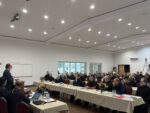
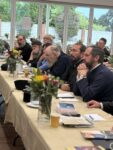
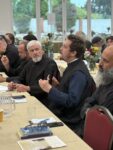
The event began with the arrival of clergy from across the Greek Orthodox Metropolis of San Francisco and the Western American Diocese, joined by participants from as far away as Canada and several Zoom attendees from Germany.
During the opening session, Fr. Dean Kaldoukis informed the gathering that His Eminence Metropolitan Gerasimos was unable to attend in person. In a letter he prepared for the occasion, Metropolitan Gerasimos reflected on the multifaceted nature of the priestly vocation, noting that “the priest is called to be a shepherd, spiritual father, counselor, leader, and intercessor, often all at once.” He praised the course for its blend of retreat sessions, didactic presentations, case studies, and open dialogues, designed “to strengthen you in your vocation and equip you to meet these challenges with wisdom and discernment.”
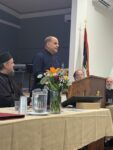
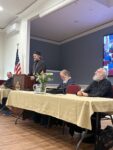
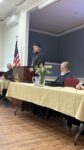
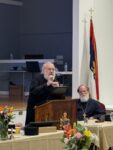
In his opening remarks, His Grace Bishop Maxim emphasized the profound relationship between psychology and theology, noting that both disciplines address illness and healing in service to humanity. This seminar, he explained, represents a significant step forward, moving beyond narrow specializations toward a holistic approach. We live in a global society, His Grace observed, where people are not isolated individuals but deeply interconnected. Psychology and psychiatry on one hand, and theology and the Church on the other, ultimately share the same subject — the human person. Neither is psychology confined to the scientific nor the Church solely to the spiritual; both are called to minister to the whole human being.
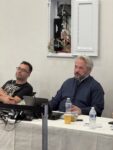
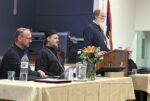
The host priest, Fr. Bratislav Krsic, welcomed and introduced the main speakers, Fr. Vasileios Thermos and Fr. Stephen Muse, both of whom expressed their gratitude for the initiative to launch this seminar. In his opening remarks, Fr. Vasileios observed, “the more one is grounded in theology, the more one feels safe to open to psychology.”
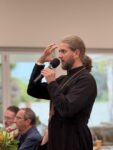
After a brief intermission, Fr. Vasileios delivered the seminar’s first session, “Emergence, Development, and Evolution of the Priestly Vocation.”
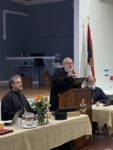
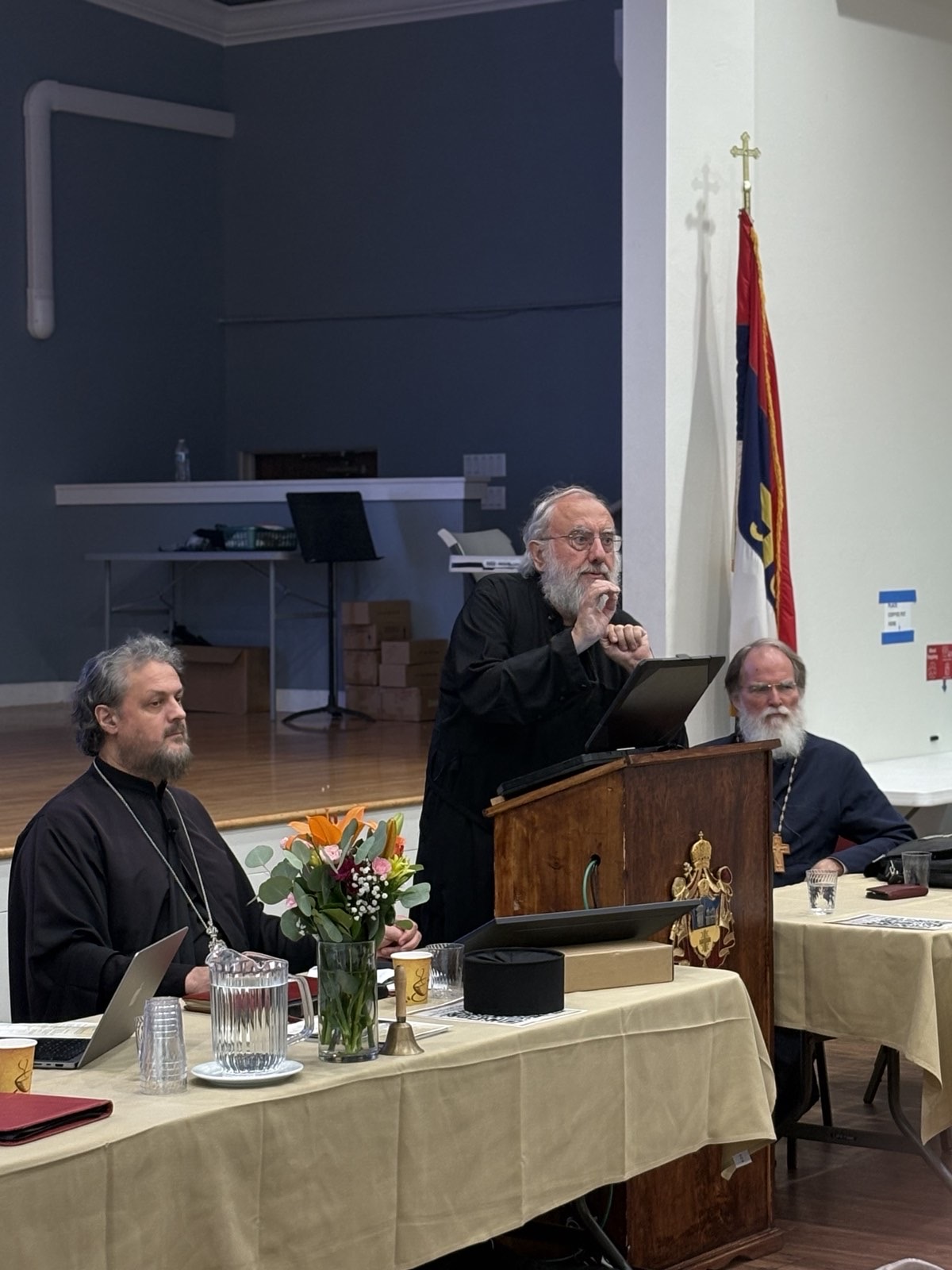 Fr. Vasileios Thermos’ presentation explored the priestly vocation as a lifelong, dynamic process in which divine calling and human response intertwine. Drawing on theology, psychology, and pastoral experience, he described how unconscious needs, learned attitudes, and conscious values all shape a priest’s motivations and role. He emphasized the importance of transforming needs rather than being ruled by them, and of integrating personal values with pastoral duties to achieve a healthy, mature ministry. The presentation contrasted unhealthy and healthy vocations—showing how adversity can lead either to stagnation or to spiritual and psychological growth—and highlighted the Church’s responsibility to offer careful discernment, guidance, and, where necessary, psychotherapy before ordination. In doing so, it proposed a holistic approach that honors both the mystery of grace and the realities of human development .
Fr. Vasileios presented the priestly vocation as a theanthropic calling—one that begins with the noblest and purest intentions from the perspective of the candidate and is ultimately a summons from God. He illustrated this through a patristic interpretation attributed to St. Basil the Great on the Prophet Isaiah’s response to God’s question of whom to send (Isaiah 6). Isaiah does not assert, “I will go,” but humbly offers himself by saying, “I can go,” fully aware of what belongs to God and what belongs to himself. Such boundaries, Fr. Vasileios noted, are essential not only in priestly ministry but in all human relationships.
He went on to examine the priestly vocation and the person of the priest in light of these boundaries, underscoring the responsibility of spiritual fathers to discern and vouch for candidates for ordination. He identified a number of “red flags” that can distort the purity of vocation, explaining how needs, attitudes, and values form a crucial triangle that can easily become disordered. As an example, he pointed to the need to be loved: while this desire may initially motivate a priestly vocation, it can ultimately interfere with authentic ministry—leading, for instance, to sermons shaped to please rather than to teach.
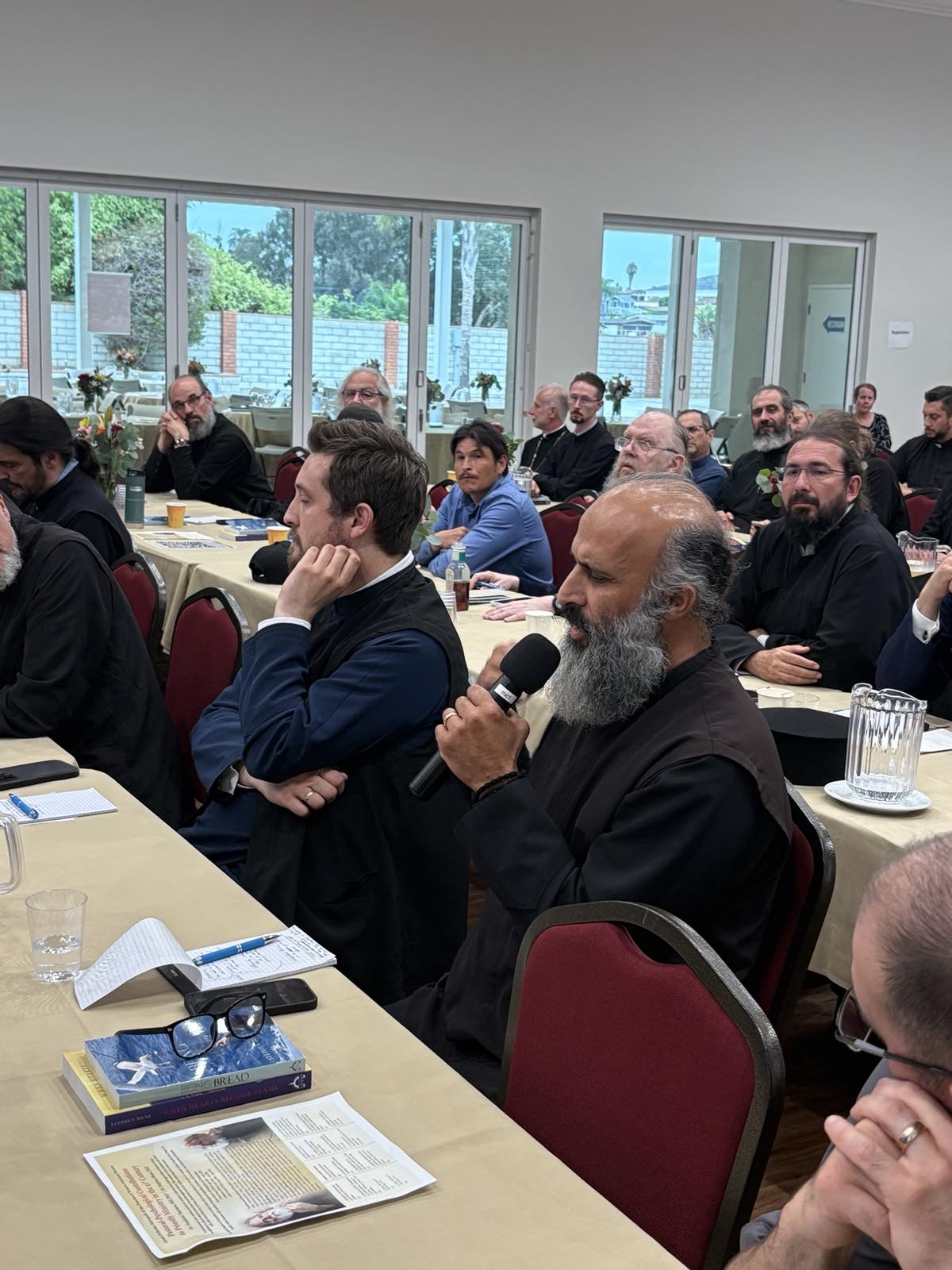
The presentation concluded with a lively discussion, which Fr. Vasileios warmly welcomed, engaging the clergy’s questions, opinions, and reactions to the topic at hand.
During the seminar, the participants paused in prayerful remembrance of Elder Vasileios of Iveron, who departed this life on that very day, entrusting his soul to the mercy and light of Christ.
Following a shared dinner, the inaugural day of the seminar concluded on a note of fellowship and anticipation for the sessions ahead.